" height="21px" id="aE25rWru5" transform="translate(6.02 1.01)" width="11.666710897329551px"/></svg>)
" height="20.000028433930208px" id="C8QbQu0ua" transform="translate(2.3 1.72)" width="18px"/></svg>)
" height="15.27606666666667px" id="Mxk6Ub6Mo" transform="translate(0.386 7.539)" width="4.790326666666639px"/><path d="M 10.066 0.05 C 9.89 0.028 9.702 0.017 9.514 0.005 C 6.832 -0.105 5.32 1.485 4.79 2.169 C 4.647 2.356 4.581 2.467 4.581 2.467 L 4.581 0.425 L 0 0.425 L 0 15.701 L 4.581 15.701 L 4.79 15.701 C 4.79 14.145 4.79 12.599 4.79 11.043 C 4.79 10.204 4.79 9.365 4.79 8.527 C 4.79 7.489 4.713 6.385 5.232 5.436 C 5.673 4.641 6.468 4.244 7.362 4.244 C 10.011 4.244 10.066 6.639 10.066 6.86 C 10.066 6.871 10.066 6.882 10.066 6.882 L 10.066 15.767 L 14.857 15.767 L 14.857 5.8 C 14.857 2.39 13.124 0.381 10.066 0.05 Z" fill="rgb(83, 83, 83)" height="15.767187855553347px" id="rDScQOEBh" transform="translate(8.069 7.158)" width="14.85668000000002px"/><path d="M 2.781 5.563 C 4.318 5.563 5.563 4.318 5.563 2.781 C 5.563 1.245 4.318 0 2.781 0 C 1.245 0 0 1.245 0 2.781 C 0 4.318 1.245 5.563 2.781 5.563 Z" fill="rgb(83, 83, 83)" height="5.562959999999999px" id="TT9KpTsO5" width="5.5629599999999755px"/></svg>)
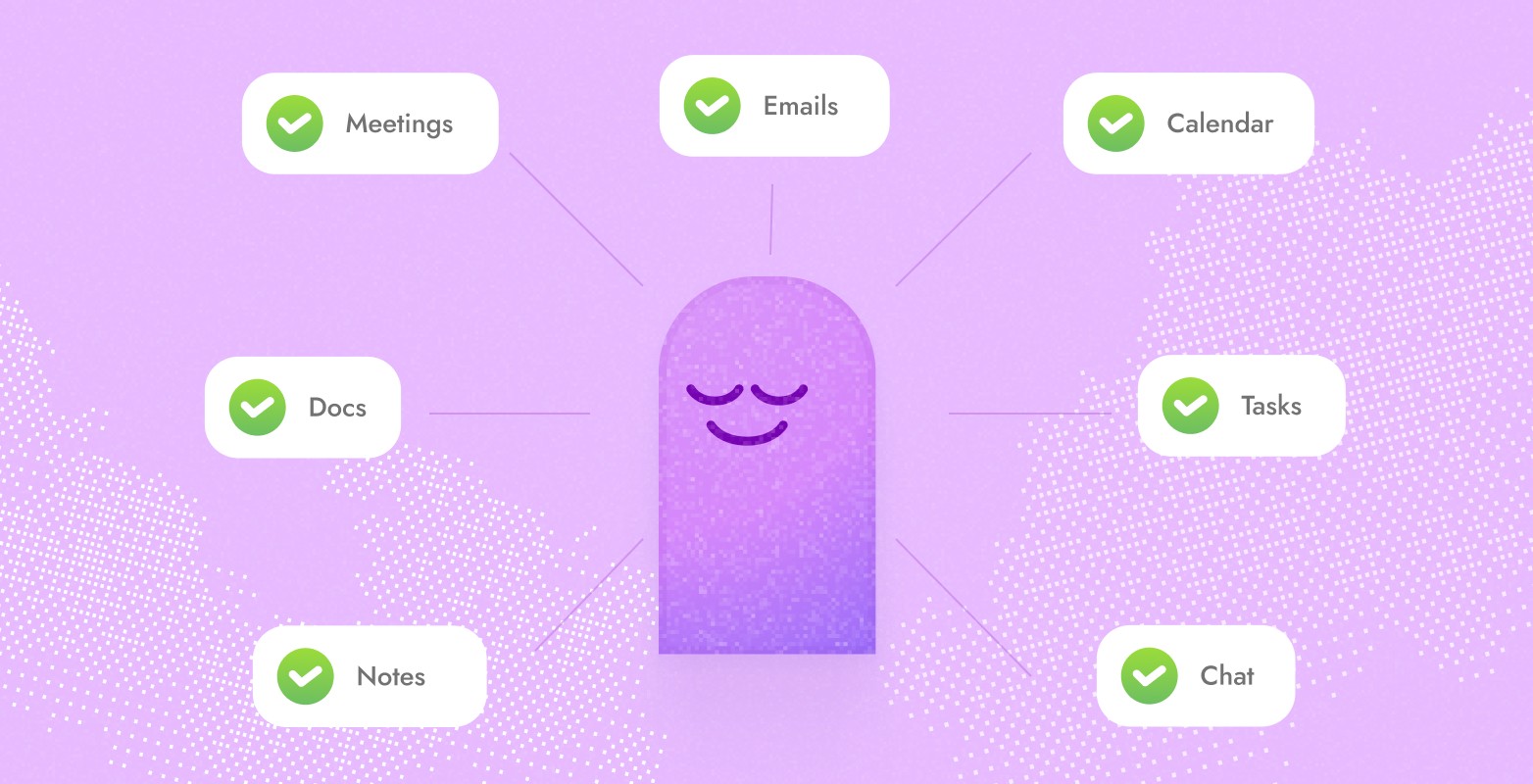

At some point, every growing business runs into the same frustrating reality: things that once felt simple and manageable start to feel scattered, slow, and overwhelming. Tasks pile up, communication becomes unclear, and even small actions take more effort than they should. It’s not that your team isn’t working hard — it’s that your workflow is no longer working for you.
A messy workflow isn’t a sign of failure. It’s a sign that your current systems haven’t caught up with your growth.
Too Many Tools, Not Enough Structure
One of the most common reasons workflows feel chaotic is the number of tools involved. What starts as a few helpful apps quickly turns into a patchwork of platforms — email for communication, spreadsheets for tracking, chat apps for updates, and separate tools for tasks and payments.
Individually, each tool works fine. But together, they create fragmentation. Information gets duplicated, lost, or overlooked. Your team spends more time switching between tools than actually doing meaningful work. Without a clear structure connecting everything, even simple workflows become unnecessarily complex.
Manual Processes Everywhere
Another major source of friction is manual work. When tasks depend on someone remembering to take the next step — sending a follow-up, updating a status, assigning work — things inevitably fall through the cracks.
Manual processes don’t scale. They rely on constant attention and leave room for human error. As your workload increases, these small inefficiencies multiply, turning your workflow into a constant cycle of catching up instead of moving forward.
Lack of Clear Ownership
When responsibilities aren’t clearly defined, confusion takes over. Tasks sit unfinished because no one is sure who owns them. Team members duplicate work or wait on each other without realizing it.
A messy workflow often reflects unclear accountability. Without defined roles and ownership, even well-designed processes can break down. Clarity isn’t just about organization — it’s about momentum.
No Single Source of Truth
If your team has to ask, “Where do I find this?” more than once a day, your workflow has a visibility problem. When information lives in multiple places, there’s no single, reliable version of truth.
This leads to outdated data, miscommunication, and unnecessary back-and-forth. Instead of moving quickly, your team spends time verifying information and correcting mistakes. Over time, this erodes trust in your systems and slows everything down.
Reactive Instead of Proactive Work
A messy workflow often forces teams into reactive mode. Instead of following a clear process, they respond to whatever feels most urgent in the moment — messages, requests, or last-minute issues.
While this might keep things moving in the short term, it creates long-term instability. Important tasks get delayed, priorities shift constantly, and the overall workflow feels unpredictable. Without a proactive structure, your team is always playing defense.
How to Bring Order Back
Fixing a messy workflow doesn’t require working harder — it requires working smarter. Start by simplifying your systems: reduce the number of tools, centralize your data, and define clear processes for recurring tasks.
Introduce automation where possible to remove repetitive work, and make sure every task has a clear owner. Most importantly, create a system that your entire team can rely on — one place where work is tracked, updated, and completed.
Clarity Creates Momentum
When your workflow is clear, everything changes. Tasks move faster, communication improves, and your team can focus on what actually matters. Instead of feeling overwhelmed, you gain a sense of control and direction.
A clean workflow isn’t just about organization — it’s about unlocking your team’s full potential.
Read more like this

System
Get Paid Without the Stress
Easily link your clients and payment methods to ensure that receiving payments is straightforward, reliable, and hassle-free. This seamless integration allows you to focus on what matters most—growing your business and serving your clients.

Oliver Blackthorne

Payments
How to Spend Less Time on Admin
Admin work quietly eats up your day.
Learn how to reduce repetitive tasks, automate what matters, and free up time for actual client work.

Lucas Whitmore