" height="21px" id="aE25rWru5" transform="translate(6.02 1.01)" width="11.666710897329551px"/></svg>)
" height="20.000028433930208px" id="C8QbQu0ua" transform="translate(2.3 1.72)" width="18px"/></svg>)
" height="15.27606666666667px" id="Mxk6Ub6Mo" transform="translate(0.386 7.539)" width="4.790326666666639px"/><path d="M 10.066 0.05 C 9.89 0.028 9.702 0.017 9.514 0.005 C 6.832 -0.105 5.32 1.485 4.79 2.169 C 4.647 2.356 4.581 2.467 4.581 2.467 L 4.581 0.425 L 0 0.425 L 0 15.701 L 4.581 15.701 L 4.79 15.701 C 4.79 14.145 4.79 12.599 4.79 11.043 C 4.79 10.204 4.79 9.365 4.79 8.527 C 4.79 7.489 4.713 6.385 5.232 5.436 C 5.673 4.641 6.468 4.244 7.362 4.244 C 10.011 4.244 10.066 6.639 10.066 6.86 C 10.066 6.871 10.066 6.882 10.066 6.882 L 10.066 15.767 L 14.857 15.767 L 14.857 5.8 C 14.857 2.39 13.124 0.381 10.066 0.05 Z" fill="rgb(83, 83, 83)" height="15.767187855553347px" id="rDScQOEBh" transform="translate(8.069 7.158)" width="14.85668000000002px"/><path d="M 2.781 5.563 C 4.318 5.563 5.563 4.318 5.563 2.781 C 5.563 1.245 4.318 0 2.781 0 C 1.245 0 0 1.245 0 2.781 C 0 4.318 1.245 5.563 2.781 5.563 Z" fill="rgb(83, 83, 83)" height="5.562959999999999px" id="TT9KpTsO5" width="5.5629599999999755px"/></svg>)
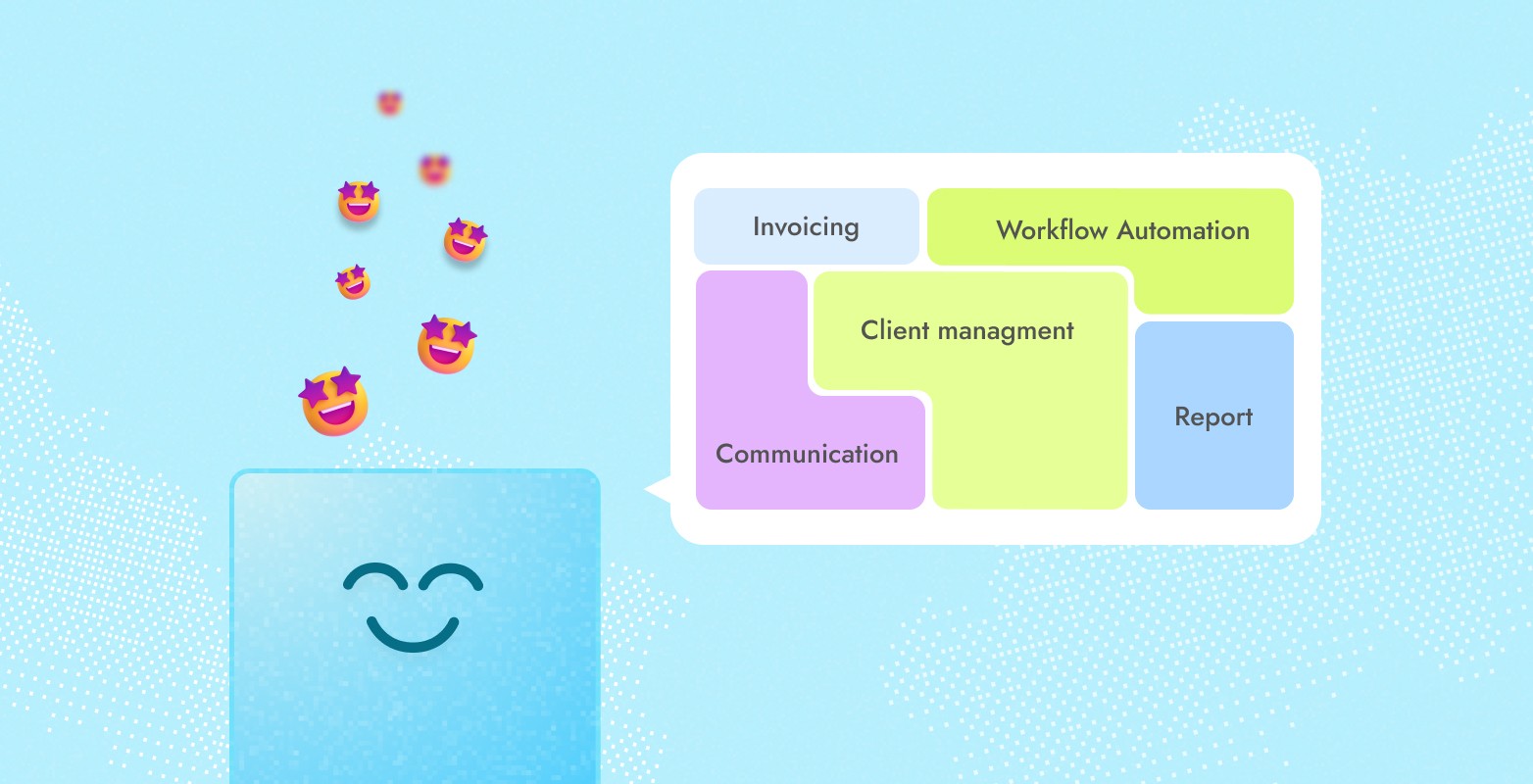

Running a service business often feels like juggling a hundred moving parts at once. Clients, communication, payments, delivery — everything depends on timing, organization, and consistency. Without the right systems in place, even the most skilled teams can find themselves overwhelmed, constantly reacting instead of operating with clarity and control.
The difference between a chaotic business and a scalable one isn’t effort — it’s systems.
1. A Client Management System
At the heart of every service business is the client relationship. But when client information is scattered across emails, spreadsheets, and notes, things quickly become disorganized. Important details get lost, follow-ups are missed, and the overall experience suffers.
A centralized client management system brings everything into one place — conversations, project details, history, and status. This not only improves internal organization but also creates a smoother, more professional experience for your clients. When your team always knows what’s happening, communication becomes faster, clearer, and more effective.
2. A Workflow Automation System
Repetitive tasks are one of the biggest drains on productivity. Sending reminders, assigning tasks, updating statuses — these small actions add up and take valuable time away from meaningful work.
A workflow automation system removes this burden by handling routine processes automatically. Instead of relying on manual input, your business runs on predefined logic and triggers. This reduces human error, ensures consistency, and allows your team to focus on higher-value activities. Over time, automation becomes the backbone of efficiency.
3. A Payment & Invoicing System
Cash flow is the lifeblood of any service business, yet getting paid is often more complicated than it should be. Manual invoicing, delayed payments, and lack of visibility create unnecessary stress and uncertainty.
A reliable payment and invoicing system simplifies the entire process. From generating invoices to tracking payments and sending reminders, everything happens seamlessly. Clients get a clear and easy payment experience, and your business benefits from faster, more predictable revenue. The result is not just convenience — it’s stability.
4. A Communication System
Communication is where many businesses struggle without even realizing it. Messages are spread across emails, chats, and calls, making it difficult to keep track of conversations and decisions.
A structured communication system ensures that everything is organized and accessible. Whether it’s internal collaboration or client interactions, having clear channels reduces confusion and improves response times. It also creates accountability — everyone knows where to find information and what needs to be done.
5. A Reporting & Analytics System
You can’t improve what you don’t measure. Without clear insights into performance, it’s difficult to understand what’s working and what needs attention.
A reporting and analytics system gives you visibility into key metrics — revenue, efficiency, client activity, and more. Instead of relying on guesswork, you can make informed decisions based on real data. This allows you to identify opportunities, fix bottlenecks, and continuously optimize your operations.
Build Once, Scale Forever
The goal of these systems isn’t just to make your business easier to manage today — it’s to prepare it for growth tomorrow. When your foundation is strong, adding more clients, team members, or services doesn’t create chaos. Instead, your systems absorb the complexity and keep everything running smoothly.
In the end, successful service businesses aren’t built on hard work alone. They’re built on systems that make that work sustainable, repeatable, and scalable.
Read more like this
System
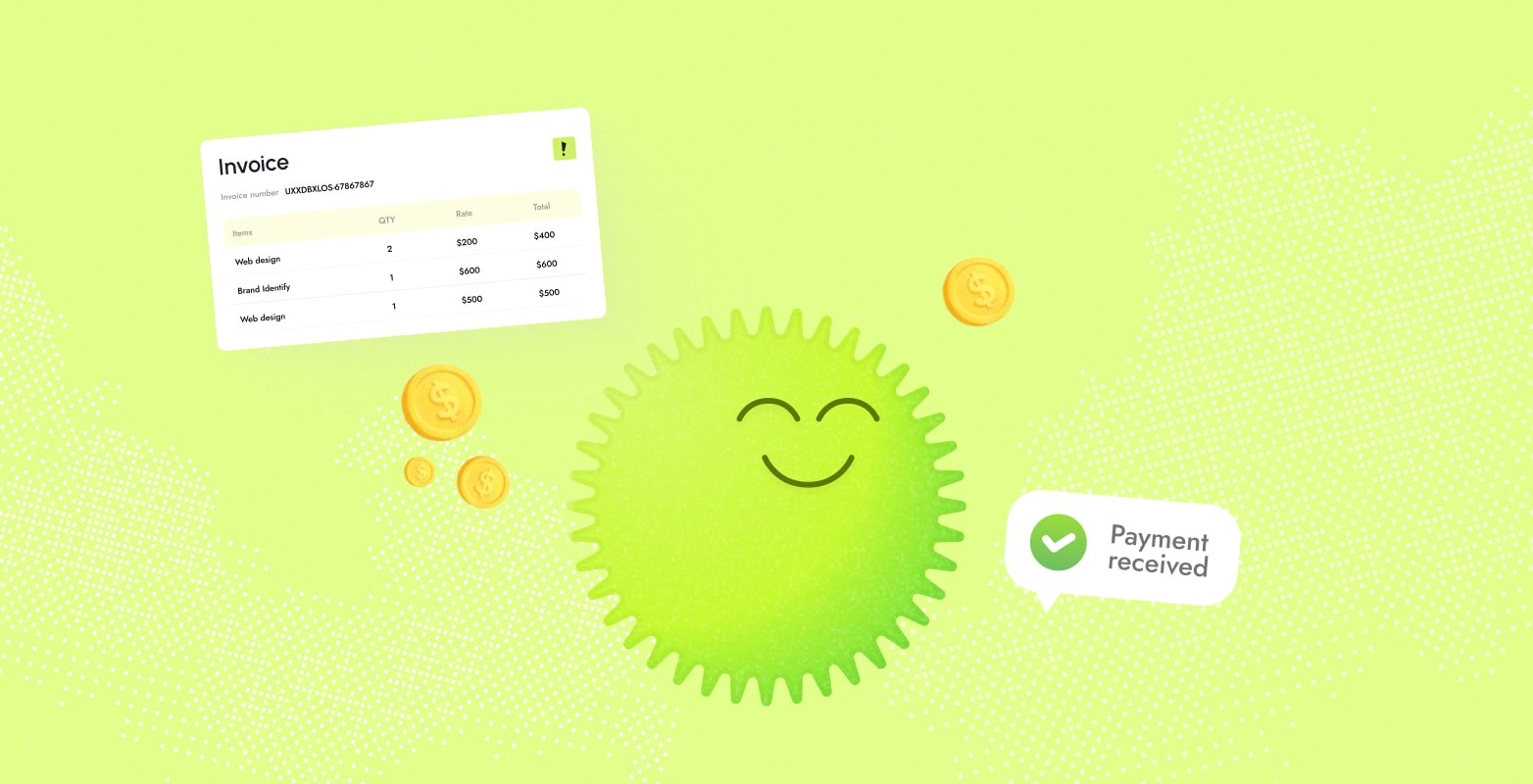
Get Paid Without the Stress
Easily link your clients and payment methods to ensure that receiving payments is straightforward, reliable, and hassle-free. This seamless integration allows you to focus on what matters most—growing your business and serving your clients.

Oliver Blackthorne
Payments
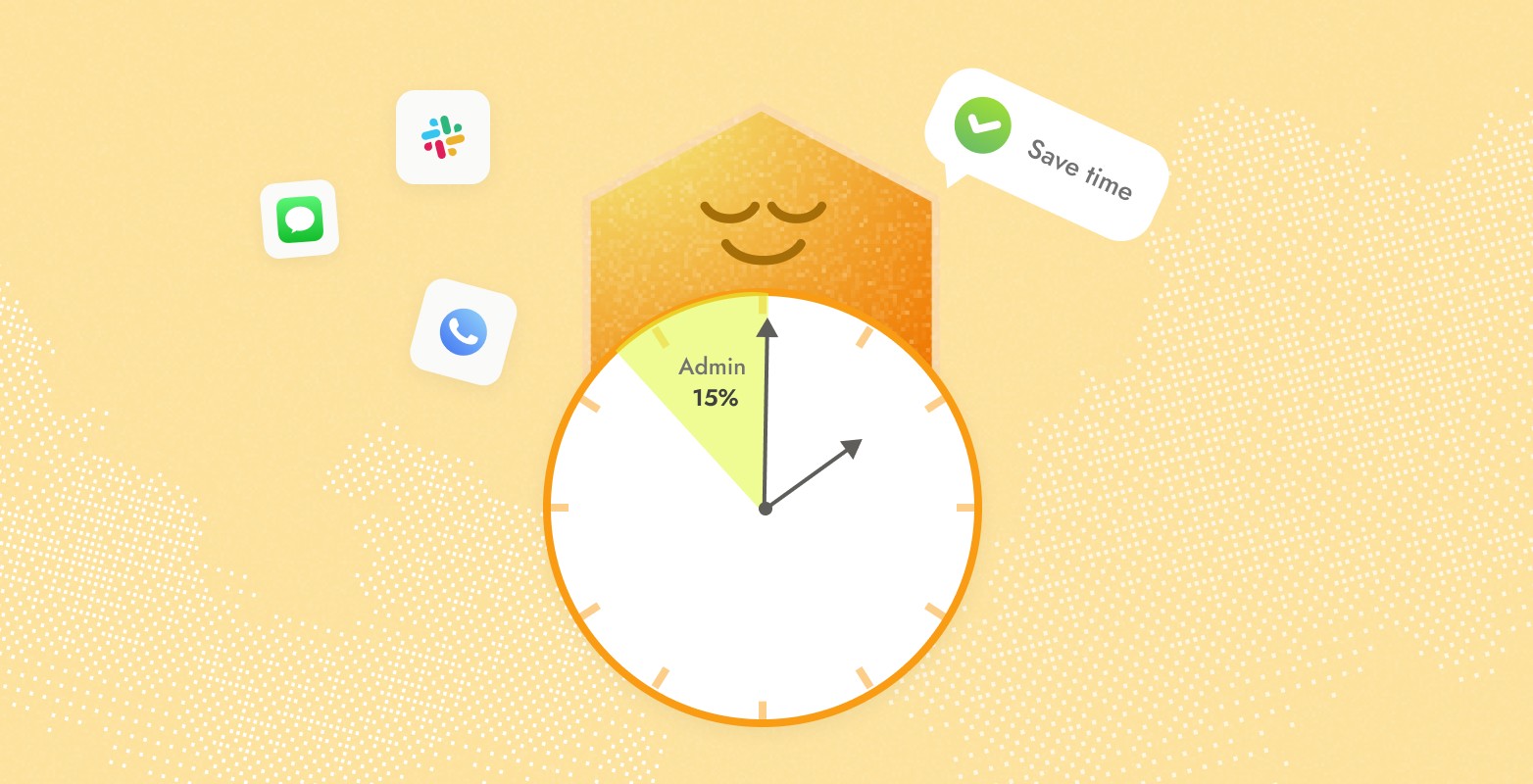
How to Spend Less Time on Admin
Admin work quietly eats up your day.
Learn how to reduce repetitive tasks, automate what matters, and free up time for actual client work.

Lucas Whitmore